
TL;DR
If a tree falls during a storm, keep everyone away from it until you’ve ruled out downed power lines or gas leaks, and never attempt to cut a storm-stressed tree yourself. If the tree is on a structure, vehicle, or roadway, or still tangled in power lines, consider it an emergency and call a 24/7 tree service immediately. Photograph the damage before cleanup for your insurance claim, then let a licensed crew handle the assessment, removal, and haul-away. Pikesville Tree Service offers 24/7 emergency storm damage and fallen tree removal across Baltimore County and is available any time, day or night. Call Pikesville Tree Service at 410-487-4932.
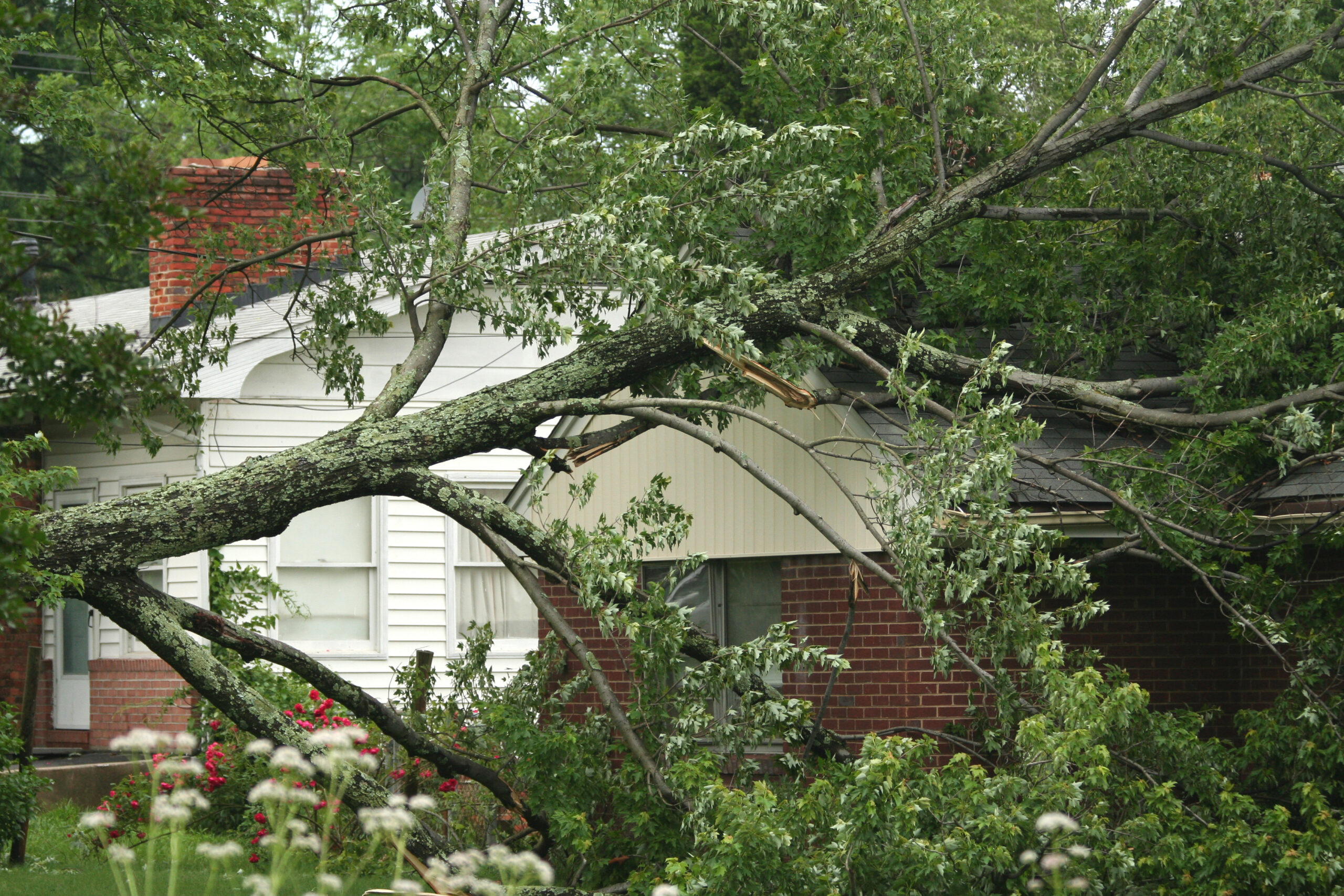
When a storm rolls through Baltimore County, the damage isn’t always obvious until the wind dies down. A cracked limb overnight can turn into a full-grown storm-damaged tree resting on your roof, your car, or your fence line by the morning.
Knowing what to do in the first few hours after a tree falls can protect your family, limit further damage to your property, and make the insurance and cleanup process much smoother.
Your Immediate Safety Checklist
Before doing anything else, treat the area around a downed tree as a hazard zone.
The first few minutes matter most:
- Keep everyone away from the tree, including children and pets, until you’ve confirmed it’s stable.
- Check for downed power lines. If any wires are touching the tree, tangled in the branches, or lying nearby, keep your distance and call your utility company immediately. A tree can carry a live current even without visible sparking.
- Watch for gas odors. If the tree happened to damage a gas line or meter, leave the area and call your gas provider or 911 before doing anything else.
- Don’t enter a structure with visible roof or wall damage until it’s been checked for structural safety.
- Put your chainsaw away. Storm-stressed trees are unpredictable. Cutting into one under tension is one of the most common causes of serious injury after a storm.
When to Call for Emergency Tree Removal
Not every fallen branch requires a middle-of-the-night phone call. A small limb down in the yard, away from the house, cars, and power lines, can usually wait until daylight. But call for emergency tree service right away, if any of the following occur:
- The tree is resting on your house, garage, car, or any occupied structure.
- The tree is blocking your only exit from the driveway or street.
- A tree is leaning yet still attached at the roots. The tree could finish falling at any moment.
- A downed tree is tangled with power lines or utility equipment.
In any of these situations, the safest move is to stay clear and let a professional crew assess the tree before anyone gets close.
What Happens When You Call an Emergency Tree Service
Storms don’t wait for business hours. Pikesville Tree Service answers calls 24/7, including nights, weekends, and holidays.
When you call about storm damage, one of our skilled team members will ask a few quick questions about the tree’s location, what it’s resting on, and whether there’s any risk to power lines or structures, so the crew arrives prepared for the specific job.
We also work directly with your insurance company throughout the process, so you’re not left handling that piece alone on top of everything else.
Document the Damage Before Cleanup Begins
If you’re planning to file a homeowners’ insurance claim, it’s important to take photos and video of the tree, the damage it caused, and the surrounding area before any cleanup begins.
Wide shots showing the tree’s position, plus close-ups of any damage to your roof, siding, fence, or vehicle, give your insurance adjuster the clearest picture.
It’s also worth noting the approximate time the tree came down and any weather alerts that were active, since this can support your claim. A reputable emergency tree removal company can also provide documentation of the work performed, which many insurers ask for during the claims process.
If the tree came from a neighboring property, it’s worth discussing with your insurance company how that affects your claim.
What Storm Damage Tree Removal Looks Like, from Start to Finish
Once you’re clear of danger and the tree has been documented, professional fallen tree removal typically follows a few stages.
- Our crew first assesses the tree’s position, size, and any tension it’s under, along with proximity to power lines or structures.
- We then determine the safest cutting order, often starting with limbs before addressing the trunk, and use rigging or a crane if the tree is resting on a building or vehicle.
- Once fully removed, the crew clears branches, logs, and debris from the property, leaving the site safe to walk and, when needed, ready for a stump grinding follow-up.
Storm Season Is Coming — Save the Number Now
Late summer into early fall is peak storm season for Maryland, with hurricane remnants and severe thunderstorms bringing the highest risk of downed trees and storm damage. The best time to save an emergency tree service number is before you need it, not while you’re standing in the yard staring at an uprooted elm on your roof.
Pikesville Tree Service is licensed, insured, and available 24/7 for storm damage and emergency tree removal throughout Anne Arundel County, Baltimore County, Howard County, and Carroll County.
If a tree has fallen on your property, call 410-487-4932 any time, day or night, or reach out to us online. A crew will be dispatched to assess and safely remove it.
***
FAQ
Is it safe to remove a fallen tree myself?
Generally, no — especially if the tree is large, leaning, or under tension from how it fell. Storm-damaged trees can shift or release tension unpredictably when cut, which is one of the leading causes of injury after a storm. Small, detached branches away from structures are usually fine to clear yourself; anything resting on a structure, vehicle, or power line should be left to a professional crew.
How quickly can an emergency tree service respond after a storm?
Response times depend on storm severity and local demand, but 24/7 emergency tree services prioritize calls involving structures, vehicles, blocked roadways, or downed power lines. Calling as soon as it’s safe to do so helps get you in the queue faster.
Will my homeowners’ insurance cover storm damage tree removal?
Most policies cover tree removal when the tree has damaged a covered structure, like a home, garage, or fence, though coverage varies by policy and provider. Photographing the damage before cleanup and keeping the removal company’s documentation helps support a claim.
What if the fallen tree isn’t touching my house but is blocking my driveway?
That still counts as an emergency if it’s your only way in or out, particularly if you need access for work, medical needs, or other vehicles. A 24/7 emergency tree removal team can typically clear a blocked driveway or roadway even if there’s no structural damage involved.
Does Pikesville Tree Service handle large trees that need a crane?
Absolutely. For trees resting on a roofline, wedged against a house, or too large to be sectioned safely from the ground, we bring in a crane to remove the tree in controlled pieces, minimizing further damage to the property.