
TL;DR
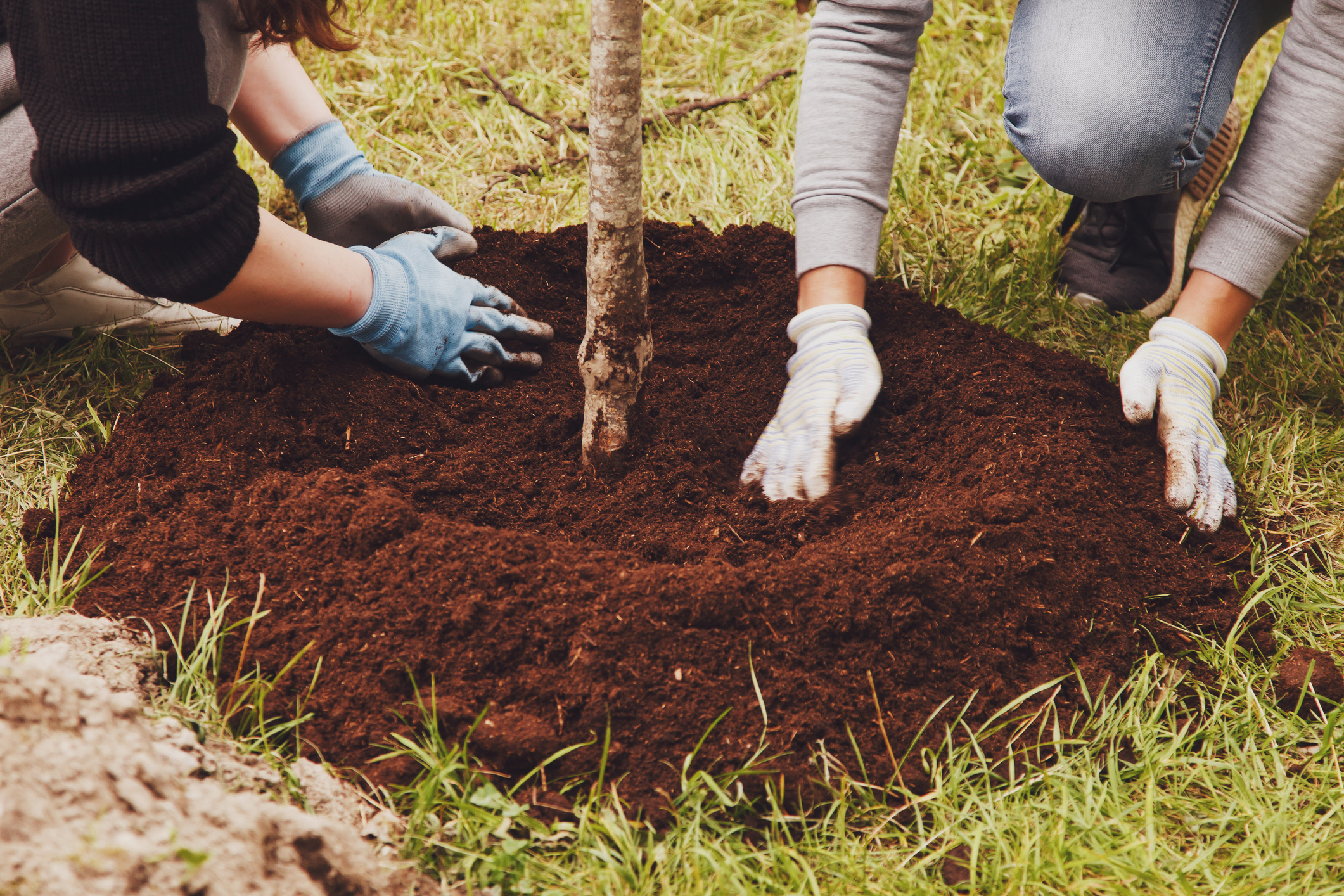
Fall is the best season to plant trees in Maryland, since warm soil and cooler air allow roots to become established before winter dormancy (and with less watering than summer planting requires). Choosing the right spot means factoring in sunlight, soil drainage, root space, distance from structures and utility lines, and long-term impact on your neighbors. Avoid replanting in the exact spot of a recently removed tree; old roots and depleted soil compete with new growth. New trees need consistent watering, mulching, monitoring, and stake removal after about a year to establish. Pikesville Tree Service offers tree planting, mulching, staking, and tree cabling, with free estimates across Baltimore County, Howard County, and Carroll County. Call 410-487-4932 to get started.
If a tree came down on your property this year, whether due to storm damage or because its health was declining, autumn is one of the best times to plant something new.
Maryland’s fall weather gives new trees a head start that summer planting simply can’t match, and cooler temperatures mean newly planted trees experience less stress as their roots get established.
Here’s what to know about fall tree planting in Maryland, from choosing the right spot to caring for a new tree once it’s in the ground.
Why Fall Is the Best Time to Plant Trees in Maryland
Soil temperature is the key reason fall works so well for tree planting in Maryland. Even as air temperatures cool here, soil stays warm well into autumn, giving roots time to establish before winter dormancy sets in.
A tree planted in September or October spends the cooler months building a root system rather than fighting summer heat and drought stress. By spring, it’s already better anchored than a tree planted in the heat of summer. Fall also tends to bring more consistent rainfall, meaning less manual watering to keep a new planting alive through its first season.
Choosing the Right Spot for Your New Tree
Where you plant matters as much as what you plant. A few factors are worth working through before you dig:
- Sunlight. Most trees need at least 6 to 8 hours of direct sun a day, though some species tolerate shade better than others. It’s worth knowing the specific needs of your chosen tree.
- Soil. Well-draining soil helps prevent waterlogged roots, and fertile or amended soil gives a new tree the nutrients it needs to succeed. It’s worth checking how water drains in a spot before committing to it.
- Room to grow. Your tree’s root system can spread 2 to 3 times the width of its mature canopy, so the planting site needs enough space, both above and below ground, for the tree to reach full size without crowding structures or other trees.
- Distance from structures and utility lines. Planting too close to a house, fence, or driveway risks future damage to foundations or hardscaping, and it’s worth checking with your utility company about any underground or overhead lines before you start digging.
- Climate fit. The right spot accounts for the tree’s tolerance to temperature swings, humidity, and wind exposure specific to where it’s going.
- Long-term impact. In a residential yard, it’s worth thinking ahead to how a mature tree’s shade, leaf drop, or root spread might affect neighboring property.
Why We Don’t Recommend Replanting in the Same Spot
It’s tempting to plant a new tree exactly where the old one came out, but that’s usually not your best move. Removal can compact the surrounding soil and deplete nutrients used by the previous tree, both of which make it harder for a new tree’s roots to establish.
Leftover roots from the old tree can also compete with the new one for water and nutrients, and as those old roots decompose unevenly underground, they can create pockets of instability in the soil.
If you’re replanting soon after a removal, doing so at least 6 feet away from the old tree’s cavity gives the new tree a better chance to establish cleanly, rather than fighting the old root system for space.
Caring for a Newly Planted Tree
Getting a tree in the ground is only the first step. A few things make the difference in whether it establishes well:
- Watering. Water thoroughly right after planting to help settle the soil around the roots, ideally in the early morning or evening rather than the hottest hours of the day. Through the first growing season, aim for roughly 1 to 2 inches of water a week, adjusting for the specific tree and weather. If you’re not sure whether your tree needs water, check the soil a few inches down. If it feels dry, it’s time.
- Mulching. A layer of organic mulch around the base at the start of each growing season helps retain moisture, suppress weeds, and regulate soil temperature.
- Monitoring. Keep an eye out for pests, disease, or stress like wilting or discolored leaves, and, most importantly, be patient. New plantings take time to establish, and care may need to adjust with the weather and how the tree responds.
- Removing stakes. Newly planted trees are typically staked to grow upright and sturdy. Once the tree has established itself, usually after one full growing season, the stakes should come out.
Get Help from the Pros: Planting & Tree Cabling Services
Pikesville Tree Service offers tree and shrub planting with a range of species options depending on what you’re looking for, along with mulch installation and staking for support. For trees with existing structural weaknesses, like a split trunk or a heavy, unbalanced canopy, tree cabling is also available to help stabilize the tree and support healthy growth going forward.
Get Ahead of Winter: Plant Before the Ground Cools
The fall planting window in Maryland is real, but it isn’t unlimited. The earlier a tree goes in the ground, the more time its roots have to take hold before winter. Pikesville Tree Service serves Baltimore County, Howard County, and Carroll County, and offers free, no-obligation estimates for planting and replacement projects. Call 410-487-4932 to talk through what would work best for your property.
***
FAQs
Is fall really better than spring for planting trees?
For most species, yes. Fall gives roots time to establish in warm soil before winter, without the heat and drought stress of summer or early spring planting.
Can I plant a new tree in the same spot where one was removed?
It’s not recommended right away. Depleted soil, compacted ground, and competition from leftover roots can all make it harder for a new tree to establish. If you want to replant soon after a removal, planting at least 6 feet from the old tree’s cavity gives the new tree room to grow without fighting the old root system.
How much water does a newly planted tree need?
Generally 1 to 2 inches per week during the first growing season, though this varies by species and weather. Checking the soil a few inches down is a simple way to tell if it’s time to water.
How long do tree stakes need to stay in?
Typically for one full growing season, until the tree has established itself and can stand upright on its own.
Does Pikesville Tree Service offer tree cabling as well as planting?
Yes. Tree cabling is available for trees with structural weaknesses, like a split trunk or unbalanced canopy, to help stabilize the tree and support healthy future growth.